


Call us now
08045803593
Metal Angle
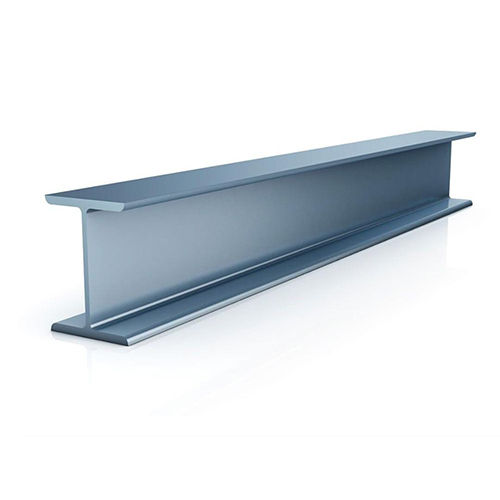

Metal Angle Specification
- Material
- Metal
- Size
- Standard
- Color
- Silver
- Surface Finish
- Galvanized
- Grade
- A
Metal Angle Trade Information
- Minimum Order Quantity
- 2 Tons
- Supply Ability
- 5000 Tons Per Month
- Delivery Time
- 1-2 Days
- Main Domestic Market
- All India
About Metal Angle
An angle constructed of metal, such as steel, aluminium, or stainless steel, is referred to as a metal angle and is sometimes known as an angle iron or a steel angle. It is distinguished by its L-shaped cross-section, which is created by two legs coming together at a right angle.
Due to their durability, adaptability, and capacity for structural support, metal angles are frequently utilised in the fabrication, manufacturing, and building sectors. In a variety of applications, they offer stability, reinforcement, and load-bearing capacity.
Here are some essential qualities and applications for metal angles:
- Metal angles are frequently utilised as supports, braces, and reinforcements in building and construction projects. They are frequently utilised in beams, columns, roof trusses, building frames, and frameworks to effectively distribute loads and give structural stability.
- Applications in industry: Metal angles are used in a wide range of industrial settings, including building machinery, equipment, and structures. In conveyor systems and racks, they can be used as brackets, frames, supports, or structural elements.
- Metal angles are frequently used to build shelf units and storage racks. In storage facilities, manufacturing facilities, garages, and retail locations, they offer the essential structure for arranging and supporting goods.
- Fabrication and welding: Metal angles are appropriate for fabrication and customisation depending on particular project requirements since they are easily cut, drilled, welded, and machined. They may be joined with other metal parts or added to larger structures with ease.
- Automobile and transportation: Metal angles are used in the production of brackets, chassis, and vehicle frames in the automobile industry. They provide rigidity and strength in these crucial parts.
To meet the needs of diverse applications and load-bearing specifications, metal angles are offered in a range of dimensions, lengths, and thicknesses. Depending on characteristics like strength, corrosion resistance, and aesthetic preferences, a particular type of metal, such as steel, aluminium, or stainless steel, may be utilised.
To ensure strong and dependable connections while employing metal angles, its crucial to take into account the suitable fastening techniques, such as welding, bolting, or riveting.
Durable Galvanized Finish
The galvanized surface of our metal angles provides outstanding protection against rust and corrosion, significantly contributing to longevity in diverse environments. This makes them ideal for construction projects that demand durability and lasting strength, even in challenging outdoor conditions. The silver color enhances their aesthetic appeal for visible installations.
Versatile Application
Our standard-size, grade A metal angles can be used across various industries, from construction and fabrication to maintenance and repair. Their sturdy structure allows them to be easily incorporated into frameworks, supports, shelving, and reinforcement projects, offering flexibility and reliability regardless of the application.
FAQs of Metal Angle:
Q: How are the galvanized metal angles typically used?
A: These metal angles are commonly utilized in structural frameworks, shelving, bracing, and reinforcement for construction projects due to their strength and corrosion resistance.Q: What is the main benefit of the galvanized surface finish?
A: The galvanized finish significantly increases the angles resistance to rust and corrosion, ensuring long-lasting performance in both interior and exterior settings.Q: When should I choose a grade A metal angle for my project?
A: Grade A metal angles are ideal when your project requires high-quality, reliable, and durable construction components, particularly in demanding or load-bearing applications.Q: Where are these metal angles supplied from?
A: We are a reliable supplier and trader based in India, offering prompt delivery across the country to meet your project requirements.Q: What is the process of manufacturing these galvanized metal angles?
A: The metal angles are produced from selected grade A metal, shaped into standard dimensions, and undergo a galvanization process to coat them with a protective zinc layer for enhanced durability.Q: Can these metal angles be used for both indoor and outdoor applications?
A: Yes, thanks to their galvanized finish and grade A construction, these angles are suitable for both indoor and outdoor use without compromising on performance or lifespan.Q: What types of projects can benefit most from using these metal angles?
A: Construction, fabrication, repair, and structural reinforcement projects all benefit from the strength, durability, and corrosion resistance of these standard-size, galvanized metal angles.Price 58000 INR/ Ton
- Minimum Order Quantity
- 2 Tons
- Supply Ability
- 5000 Tons Per Month
- Delivery Time
- 1-2 Days
- Main Domestic Market
- All India
 Get Latest Price
Price:
- 50
- 100
- 200
- 250
- 500
- 1000+

More Products in Slotted Angles Category
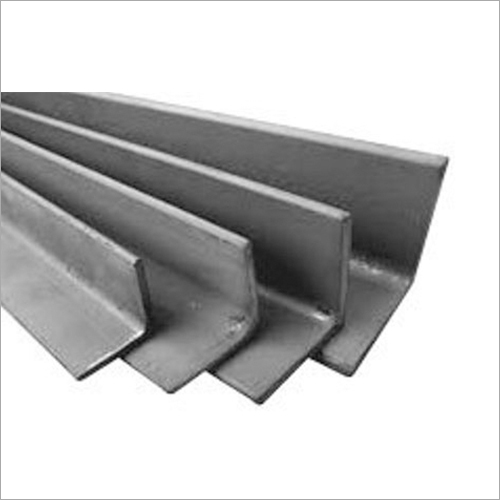
Balbir I Shaped MS Angle
Price 58000 INR / Ton
Minimum Order Quantity : 2 Tons
Material : Steel
Color : Black
Type : Equal
Size : 20MM 200MM
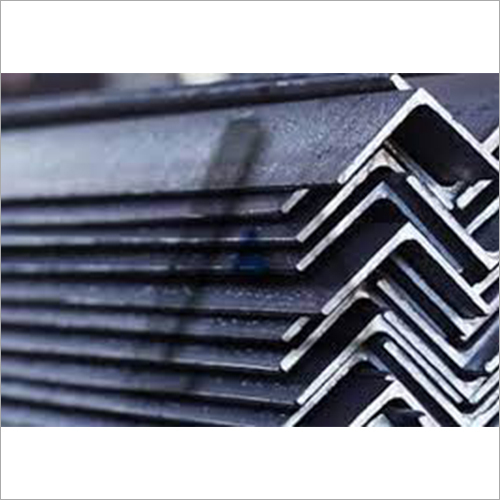
MS Angle
Price 58000 INR / Ton
Minimum Order Quantity : 2 Tons
Material : Steel
Color : Black
Type : Equal
Size : Standard

GST : 19ALVPP1192L1Z7

 Send Inquiry
Marshall House, Room No: 933E 33/1, N.S. Road, Kolkata-700 001, West Bengal, India
Contact No : +918981060686
 Send Inquiry
 Send SMS
Developed and Managed by Infocom Network Private Limited.

